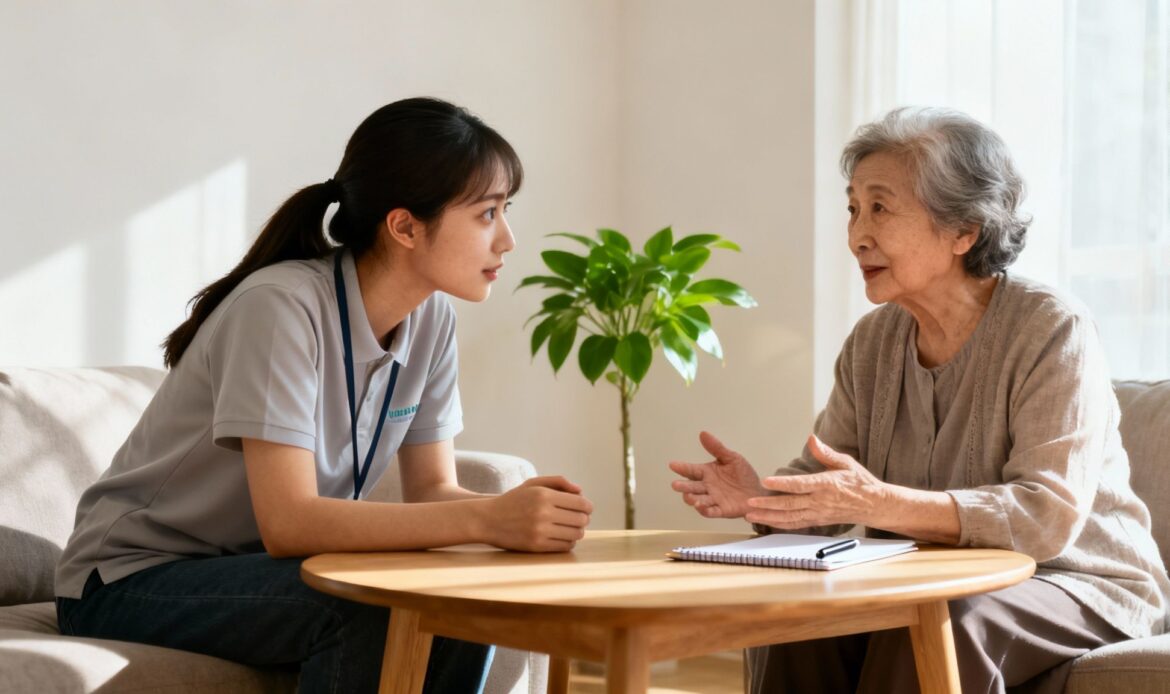
Volunteering for elderly people makes a real difference in someone's life. Your commitment breaks through loneliness, helps people stay independent longer and relieves pressure on professional caregivers. Just a few hours a week can have an enormous impact.
The immense value of your help
The demand for a helping hand in elderly care is greater than ever. A weekly visit, help with the shopping or simply being a listening ear: it not only strengthens the wellbeing of another, but gives you enormous satisfaction. You meet new people and build a valuable network.
How crucial volunteers are is clear from the figures. In palliative and hospice care alone, 14,250 volunteers were active, providing over 1.6 million hours of care and support.
Managing the care network
As a volunteer, you step into someone's social network. To collaborate well with family carers and professionals, having a clear overview is invaluable. Registor offers SocialScan, a digital tool that maps this network.
Finding a suitable volunteer role
The search for the right volunteer role begins with yourself. What do you enjoy doing, what are you good at and how much time do you want to spend? Are you a practical type who likes to roll up their sleeves, or would you rather offer a listening ear over a cup of coffee? Taking a moment to reflect on this lays a solid foundation for a match that makes everyone happy.
Once you have an idea of what you are looking for, you can search for an organisation that suits you. Reliable places to start are the local welfare organisation, the volunteer centre in your municipality or foundations focused on the elderly. Take your time — it is about finding something that energises you.
The introductory meeting
Found an interesting role? The next step is often an introductory meeting. Do not see this as a job interview, but as an opportunity to discover whether there is a connection. Feel free to ask about expectations, what guidance is available and whether a background check (VOG) is required. Good preparation means you can make a confident choice.
Building a bond of trust with elderly people
The first few meetings lay the foundation for the entire relationship. Your most important tools: an open attitude, a generous dose of patience and genuine interest. Start by truly listening — give the other person space to tell their story, without immediately offering solutions.
Clarity builds trust
Clear communication is everything, especially when dealing with hearing difficulties or when someone is a bit reserved. Speak calmly and clearly, and occasionally check that your message has been understood.
Ensure clear agreements about expectations, boundaries and privacy. This prevents misunderstandings and ensures that both you and the elderly person know exactly where you stand.
Modern tools for volunteers and caregivers
Technology can make your volunteer work considerably easier and more effective. Think of a digital calendar to plan visits or an app to quickly coordinate with the care network. SocialScan by Registor maps the complete social network around an elderly person visually and clearly.
Overview and efficient collaboration
For you as a volunteer, family carer or care professional, this means immediate clarity. You can see at a glance who the central family carer is, which care professional visits and how tasks are distributed. This prevents duplication and ensures everyone knows what is happening.
Using technology is about more than just efficiency. It is about creating a connected and well-coordinated network.
Guarding your role and boundaries: staying a valuable volunteer
As a volunteer, you are invaluable, but it is important to remember that you are not a professional care provider. Guarding your own boundaries ensures you do not become overloaded and that the bond you build remains healthy. This sometimes means daring to say "no", or knowing when it is time to refer on.
When do you refer on?
- For medical complaints: always advise contacting a GP or specialist
- For financial or legal problems: refer to a social worker or the WMO counter
- For feelings of depression or deep loneliness: encourage a conversation with the GP or a mental health practice nurse
Interestingly, elderly people themselves are often an enormous driving force in society. As many as 52.9% of 65- to 75-year-olds do voluntary work. So they are not only recipients of help, but also active contributors.
Still have questions? Find the answers here
Do I need special training?
Not really. The most important things you bring are your motivation, plenty of patience and the ability to empathise with others. Many organisations offer a short introductory course on communication or dementia care — not compulsory, but a great way to build confidence.
How much time does it take exactly?
You largely decide that yourself. Some roles require a fixed half-day each week, but many roles are flexible. You will find that just one or two hours a week can make a world of difference. Be open about this during the introductory meeting.
What if it does not click with the elderly person?
A good connection is everything. If the relationship is not flowing, speak to your coordinator. They have experience with this and can help mediate or match you with someone who is a better fit.